Building or repairing projects at home requires the right gear. The accompanying video highlights essential DIY tools and clever ideas. We delve deeper into indispensable equipment for any home improvement enthusiast.
Success in any project starts with superior implements. Investing in quality DIY tools elevates your craft. It ensures precision and lasting results. Furthermore, the right tools enhance safety. They also boost efficiency significantly.
Establishing Your Foundational DIY Tool Kit
Every serious DIYer needs core items. These are the bedrock of any productive workshop. Start with these fundamental hand tools.
Accurate Measuring and Marking Instruments
Precision is paramount for any task. A reliable tape measure is indispensable. Choose one with clear markings. Self-locking features offer convenience. A quality spirit level ensures perfect alignment. Consider a digital level for advanced accuracy. A combination square is perfect for marking and checking angles. It ensures cuts are straight and true.
Laser measures offer unparalleled speed. They reduce measurement errors. These devices are invaluable for larger spaces. They streamline project setup significantly. Marking pencils and chalk lines also prove vital.
Fastening and Assembly Essentials
Fastening components securely is crucial. A comprehensive screwdriver set is non-negotiable. Include both Phillips and flathead types. Nut drivers and hex key sets also see frequent use. They handle various fastener types. A good set of wrenches, adjustable and fixed, is vital. They tackle bolts and nuts of differing sizes. An impact driver significantly speeds up screw driving tasks. Its rotational force prevents cam-out.
For tougher jobs, consider a torque wrench. It applies precise fastening force. This prevents overtightening and stripping. Different fastener types demand specific tools. Always match the tool to the fastener.
Cutting and Shaping Implements
Cutting materials accurately defines project quality. A sturdy utility knife is surprisingly versatile. Keep sharp blades readily available. A hand saw, specifically a crosscut saw, handles wood effectively. Japanese pull saws offer precise, efficient cuts. They excel in tight spaces.
Beyond basic saws, a coping saw manages intricate curves. It’s ideal for detailed trim work. Chisels allow for fine wood shaping. A sharp set is critical for clean joints. Quality cutting tools save immense time. They also ensure superior finish.
Striking, Gripping, and Leverage Tools
These tools provide brute force and fine control. A claw hammer is a universal tool. It drives nails and extracts them. Various pliers are also indispensable. Needle-nose, slip-joint, and locking pliers each serve unique roles. Locking pliers, often called Vise-Grips, clamp materials firmly. A sturdy pry bar offers excellent leverage. It helps dismantle old structures.
Consider a rubber mallet for gentle persuasion. It avoids marring delicate surfaces. A bench vise secures workpieces. It frees both hands for complex operations. These tools provide necessary mechanical advantage.
Harnessing Power: Essential Electric DIY Tools
Power tools dramatically increase efficiency. They handle repetitive or difficult tasks. Modern battery technology makes cordless options dominant. These tools provide freedom of movement.
Drilling and Driving Workhorses
A cordless drill is arguably the most important power tool. It drills holes and drives fasteners. Look for models with adjustable clutch settings. Brushless motors offer extended battery life. They also provide greater torque. An impact driver complements the drill perfectly. It excels at driving long screws. This prevents hand fatigue on larger projects.
Rotary hammers tackle masonry and concrete. They combine rotation with a hammering action. Drill presses provide precise, perpendicular holes. They are a significant workshop upgrade. Investing in a robust battery platform pays dividends. Interchangeable batteries power many tools.
Precision Power Cutting Tools
Power saws make quick work of materials. A circular saw performs straight cuts quickly. It is excellent for dimensioning lumber. A jigsaw handles intricate curves. Its versatility makes it indispensable. Reciprocating saws excel at demolition work. They cut through various materials with ease. Miter saws offer unparalleled accuracy for angled cuts. They are essential for trim and framing.
Table saws provide high-capacity ripping and cross-cutting. They are a cornerstone for serious woodworkers. Band saws enable complex curve cutting. They also handle resawing operations. Each saw type serves a distinct purpose.
Sanding and Surface Preparation
A smooth finish elevates any project. An orbital sander is ideal for general sanding. It reduces swirl marks effectively. Detail sanders reach tight corners. They perfect intricate areas. Belt sanders remove material rapidly. They level rough surfaces quickly. Proper surface preparation impacts finish quality.
Ensure a good dust collection system. This improves air quality. It also extends abrasive life. Clean surfaces lead to better adhesion. They accept finishes more readily.
Versatile Specialty Power Tools
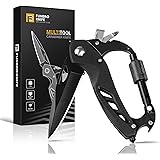
An oscillating multi-tool performs numerous tasks. It cuts, sands, scrapes, and grinds. This tool excels in tight, awkward spaces. It truly earns its “multi-tool” designation. Heat guns strip paint effectively. They also shrink tubing and thaw pipes. Routers create decorative edges and joinery. They are a woodworking staple.
A rotary tool, like a Dremel, handles fine detail work. It engraves, grinds, and polishes small parts. These specialized tools address unique project demands. They often provide solutions where other tools fall short.
Prioritizing Safety and Protection
Safety equipment is not optional. It protects against common workshop hazards. Always wear appropriate personal protective equipment (PPE). It prevents serious injury.
Essential Personal Protective Equipment (PPE)
Safety glasses are mandatory for all tasks. They protect eyes from flying debris. Hearing protection, like earmuffs or earplugs, prevents noise-induced hearing loss. Dust masks or respirators protect lungs. They guard against fine particulates. Work gloves protect hands from cuts and abrasions. They also improve grip on materials. Proper PPE is your first line of defense.
Always review tool manuals for specific safety warnings. Understand lockout/tagout procedures for powered equipment. A well-stocked first-aid kit is also vital. Keep it easily accessible in your workspace.
Optimizing Your Workspace: Smart DIY and Organization
An organized workspace boosts productivity. It also improves safety. Smart solutions maximize efficiency.
Workshop Organization and Efficiency
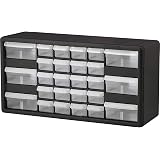
A sturdy workbench provides a stable platform. Ensure it has ample clamping surfaces. Good lighting is critical for precision tasks. Overheard and task lighting minimize shadows. Tool storage solutions keep items accessible. Pegboards, drawers, and rolling carts are excellent options. Labeling everything saves valuable time. It prevents frustrating searches.
Clear aisles and a clutter-free floor reduce trip hazards. Regular cleanup maintains a productive environment. A well-designed workshop enhances the entire DIY experience. It makes projects more enjoyable.
Beyond the Basics: Advanced DIY Tools and Concepts
As skills grow, so does the need for specialized tools. These expand project capabilities significantly. Advanced tools enhance both quality and scope.
Specialized Fastening Systems
Nail guns, pneumatic or cordless, drive fasteners rapidly. They are invaluable for framing and trim. Pocket hole jigs create strong, hidden joints. They simplify cabinet and furniture construction. Staple guns secure fabrics and insulation. They handle various upholstery tasks. These systems streamline assembly processes dramatically.
Adhesive technology has also advanced significantly. Modern wood glues offer incredible strength. Construction adhesives bond dissimilar materials effectively. Understanding fastener types is crucial. Choose the right one for material and load.
Maintenance and Calibration
Maintaining your DIY tools extends their lifespan. Regularly clean and lubricate moving parts. Sharpen blades and bits for optimal performance. Calibrate measuring tools periodically. This ensures continued accuracy. Replace worn components promptly. Preventative maintenance avoids costly failures.
Proper storage prevents rust and damage. Keep tools dry and protected. A well-maintained toolkit is always ready. It performs reliably when needed most. This attention to detail safeguards your investment.
The right selection of DIY tools empowers any enthusiast. It transforms complex tasks into manageable projects. Quality tools enhance safety, precision, and overall project success, making every effort worthwhile.
Crafting Clarity: Your DIY Tools & Ideas Q&A
What are DIY tools used for?
DIY tools are used for building or repairing projects around your home. They help you tackle various tasks and improve your living space.
Why is it important to use quality DIY tools?
Investing in quality DIY tools helps ensure precision and lasting results for your projects. They also enhance safety and boost efficiency while working.
What are some basic tools for measuring and marking?
Essential measuring tools include a reliable tape measure for length and a spirit level for ensuring things are perfectly straight. A combination square also helps with marking angles.
What kind of safety equipment should I use for DIY projects?
You should always wear safety glasses to protect your eyes and use hearing protection like earmuffs or earplugs. Work gloves also protect your hands from cuts and scrapes.