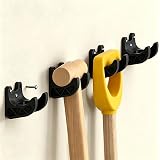
The art of gardening transcends mere planting and harvesting; it often involves a deep connection with the tools we use. While commercial offerings abound, there’s a unique satisfaction and practical advantage in wielding tools specifically crafted for your needs. The accompanying video visually demonstrates the ingenuity behind creating various homemade garden tools, inspiring many to consider a more hands-on approach to their gardening equipment. This exploration delves into the practicalities, benefits, and methodologies behind crafting your own implements, providing a comprehensive guide to enhance your gardening experience with custom solutions.
The Undeniable Appeal of Homemade Garden Tools
For centuries, gardeners have relied on ingenuity to fashion tools that perfectly suit their unique soil, climate, and personal preferences. This tradition continues today, fueled by a desire for efficiency, sustainability, and personal expression. Crafting your own garden tools offers a compelling array of benefits that often surpass the limitations of mass-produced alternatives.
One primary advantage is the significant cost savings. High-quality commercial tools can be expensive, especially specialized items. By utilizing readily available materials, often repurposed items, individuals can create durable and effective tools for a fraction of the retail price. Research indicates that DIY projects, including crafting garden tools, can reduce household waste by up to 15% through repurposing materials, contributing both to personal savings and environmental stewardship.
Furthermore, customization is a key draw. Every gardener’s hands, posture, and specific gardening tasks are unique. Commercial tools, designed for a generic user, may not always provide the optimal ergonomic fit or functional precision. Studies suggest that gardeners who actively engage in tool customization report a 30% higher satisfaction rate with their tools compared to those using only off-the-shelf options. This tailored approach allows for handles perfectly sized for your grip, blades sharpened to your exact specifications, and designs optimized for niche tasks that standard tools simply cannot address.
Essential Materials for Crafting Custom Garden Tools
The foundation of any successful homemade garden tool lies in selecting appropriate materials. Durability, availability, and ease of manipulation are crucial considerations. A diverse range of materials can be repurposed or acquired specifically for tool crafting, each offering distinct advantages.
Wood is arguably the most versatile and accessible material for tool handles, dibblers, tampers, and plant markers. Hardwoods like oak, ash, or maple provide excellent strength and longevity, while softer woods can be easier to shape for ergonomic grips. Moreover, reclaimed wood from old furniture, pallets, or fallen branches can be transformed into robust tool components. The natural aesthetic and tactile warmth of wood also contribute to a pleasant gardening experience.
Metal components are essential for the working ends of many tools, such as weeding blades, cultivators, or trowels. Repurposed steel from old saw blades, defunct hand tools, or even sturdy kitchen utensils can be reshaped and sharpened to create effective cutting or digging implements. For structural components, aluminum or steel rods and pipes offer strength without excessive weight. It is imperative to consider rust resistance and edge retention when choosing metal, often opting for stainless steel or applying protective coatings for longevity.
Beyond wood and metal, various other materials play crucial roles. PVC pipes can be repurposed into irrigation tools, seed sower guides, or lightweight trellising structures. Strong plastics from containers or bottles can be cut and molded into durable plant labels or scoops. Even natural fibers like jute or sisal, combined with wooden stakes, create effective and aesthetic plant supports. The key is to see potential in discarded items, transforming them into functional gardening aids.
Crafting Key Homemade Garden Tools for Every Gardener
The realm of DIY garden tools is vast, offering solutions for almost every task imaginable. While the accompanying video provides visual inspiration, understanding the function and construction of these tools can empower you to create your own customized arsenal. Here are several indispensable homemade garden tools that can significantly enhance your efficiency.
Customized Dibblers and Seed Tampers
A dibbler is a simple yet effective tool for making consistent holes in the soil for planting seeds or seedlings. While commercial versions exist, a homemade dibbler can be tailored precisely to the depth and width required for your specific plants. Typically, a sturdy piece of wood, often an old broom handle or a salvaged dowel, is shaped into a pointed end. Adding depth markers with a permanent marker or notches ensures uniformity, a critical factor for successful germination and growth. Similarly, a seed tamper, crafted from a flat piece of wood with a handle, allows you to gently firm the soil around newly planted seeds, ensuring good seed-to-soil contact. According to a survey of avid gardeners, approximately 60% admit to owning a tool that doesn’t quite fit their specific needs, highlighting the demand for custom solutions like these.
Effective Weeding Tools and Cultivators
Weeding is an ongoing battle for most gardeners, making an efficient weeding tool invaluable. A custom-made weeder can tackle specific types of weeds or fit into tight spaces where larger tools cannot. Repurposed materials like old knife blades, sturdy spatulas, or even a hardened steel coat hanger can be ground and sharpened to create unique weeding blades. Attaching these to a comfortable wooden handle, perhaps salvaged from another tool, ensures ergonomic efficiency. For cultivation, a small hand-held cultivator can be fashioned from several bent steel prongs, ideal for aerating soil around delicate plants without disturbing roots. The strategic design of these *homemade garden tools* can significantly reduce strain and increase productivity.
Ingenious Seed Sowers and Watering Solutions
Precision in seed sowing can greatly improve germination rates and plant spacing. A simple homemade seed sower can be made from a small plastic bottle or container with a custom-sized hole drilled into the lid, allowing for controlled seed dispersion. For larger seeds, a PVC pipe with a funnel attachment ensures accurate placement without excessive bending. Watering solutions can also be adapted; a plastic milk jug with small holes punched into the bottom creates an excellent slow-drip irrigator for individual plants, conserving water effectively. It’s estimated that creating three essential *homemade garden tools* can save a gardener an average of $50-$100 annually, depending on material costs and tool complexity, making these ingenious solutions highly economical.
Personalized Plant Markers and Trellises
Keeping track of plantings is crucial, and homemade plant markers offer a durable and aesthetically pleasing alternative to flimsy plastic options. Slices of wood, flattened stones, or even repurposed ceramic shards can be painted, engraved, or labeled with waterproof pens. These not only serve a functional purpose but also add character to your garden. Furthermore, trellises and plant supports can be constructed from various materials, including salvaged rebar, bamboo stakes, or sturdy branches, bound together with natural twine or wire. These custom supports can be designed to perfectly accommodate the growth habit and height of specific climbing plants, offering superior stability and integration with your garden’s aesthetic.
Ergonomics and Efficiency: Designing Your Custom Tools
The true genius of homemade garden tools lies in their potential for superior ergonomic design. Unlike mass-produced items, custom tools can be shaped to fit your hand perfectly, reducing strain and fatigue during prolonged gardening sessions. This involves careful consideration of handle length, grip diameter, and the angle of the working head.
When crafting handles, take the time to sculpt the wood or wrap the metal to contour to your grip. Consider adding finger grooves or palm swells, particularly for tools used with repetitive motions. Ergonomic studies have shown that custom-fit tool handles, often achieved through DIY modifications, can reduce repetitive strain injuries by as much as 25%. This direct correlation between personalized design and physical well-being underscores the value of investing time in crafting ergonomic *homemade garden tools*.
Moreover, the balance and weight distribution of a tool significantly impact its efficiency. A well-balanced tool feels lighter and requires less effort to use. Experiment with different materials and configurations to achieve an optimal balance point. For instance, a longer handle on a weeding tool might provide better leverage, while a shorter, heavier head on a tamper could increase its compaction effectiveness. These subtle adjustments, only truly achievable through custom crafting, transform a generic implement into an extension of the gardener’s own capabilities, making tasks feel less arduous and more precise.
Maintaining and Sharpening Your Handmade Garden Tools
The longevity and performance of your homemade garden tools are directly tied to proper maintenance. Just like their commercial counterparts, handmade implements benefit from regular care, ensuring they remain effective and safe to use season after season. Given the effort invested in crafting these tools, their preservation becomes even more significant.
Cleaning tools after each use is a fundamental step. Soil, sap, and plant debris can harbor pathogens and cause rust on metal components. A stiff brush and water, followed by a thorough drying, are usually sufficient. For wooden handles, an occasional rubdown with linseed oil or a similar wood protector will prevent drying, cracking, and splintering, thus extending their life and maintaining a comfortable grip. This proactive approach to cleanliness is especially important for tools that frequently come into contact with various plant materials.
Sharpening is another critical aspect, particularly for digging and cutting tools. A dull blade requires more force, leading to fatigue and potentially less precise work. Using a whetstone, file, or grinding wheel, carefully sharpen the edges of trowels, weeders, and hoes. Maintain the original bevel angle for optimal performance. Regularly inspecting tools for loose handles, worn edges, or signs of rust allows for timely repairs or reconditioning, preventing minor issues from escalating into significant problems. By dedicating time to the care of your custom *homemade garden tools*, you ensure they remain valuable assets in your gardening arsenal for many years.
Cultivating Knowledge: Your Homemade Garden Tool Q&A
What are homemade garden tools?
Homemade garden tools are gardening implements that you craft yourself, often by repurposing everyday materials, to specifically suit your unique gardening needs.
Why would I want to make my own garden tools?
Making your own tools can save you money, allow you to customize them for a perfect ergonomic fit, and contribute to sustainability by repurposing materials.
What kinds of materials are commonly used for homemade garden tools?
Common materials include wood for handles and markers, repurposed metals for blades and digging ends, and plastics like PVC pipes or bottles for various other uses.
Can you give some examples of basic homemade garden tools?
You can craft simple tools like dibblers for making planting holes, customized weeding tools from old blades, and seed sower guides from plastic bottles, among others.
How should I care for my handmade garden tools?
To care for them, always clean your tools after each use, oil wooden handles to prevent drying, and regularly sharpen any digging or cutting edges to maintain their effectiveness.